
Starting a Gilroy Residents Directory Search
Every strong search starts with one narrow question. A street clue should be resolved to a Santa Clara County Assessor parcel, and the APN saved for later work. Write down spelling variants. Add a middle initial and an approximate date. Note where the first lead came from, since a name alone is weak evidence when one surname can recur across Gilroy records for generations. Pick an era first for family history. Only then open a newspaper or directory volume.
It also helps to separate ownership from residence, affiliation, and life events, because each record answers a different question. The Assessor works from a situs or APN, yet its public form offers no owner-name search and suppresses the assessee name. A deed names parties to an instrument, not every household member. A voter lookup authenticates one voter, not a street. Library, court, vital, license, and business sources add context, while the City Clerk and CPRA fill gaps in identifiable, nonexempt municipal records.
- Write down the starting name, address, date, APN, or event, and keep the exact spelling.
- Use the Assessor's situs-address or APN search, never the owner's mailing address, to anchor a property clue.
- Use My Voter Status only for the person's own authenticated registration check; request voter-file material only for a qualifying Elections Code purpose.
- Take the APN, legal description, or full name to the Clerk-Recorder, court, library, or archive that holds the next record.
- Compare two independent facts, such as a parcel and deed date, before joining same-name records.
Gilroy Resident Records Offices
Gilroy is an incorporated city in Santa Clara County. The county does the heavy lifting. Deeds, assessments, voter administration, court files, and archives sit at the main counters in San Jose. City Hall still handles municipal records, permits, police records, staff contacts, and requests, not birth records, deeds, probate files, or assessment rolls. None of that waits at the City Clerk's counter.
Santa Clara County Clerk-Recorder
110 W. Tasman Dr., 1st Floor
San Jose, CA 95134
408-299-5688
Santa Clara County Assessor
130 W. Tasman Dr.
San Jose, CA 95134
408-299-5500
Real Property Search
Registrar of Voters
1555 Berger Drive, Building 2
San Jose, CA 95112
408-299-VOTE
City-held records start at Gilroy's Public Records Center. The free channel tracks requests by account or email. Name the record you want, plus a date range, department, address, permit or case number, and format. The city's Open Government hub names the right custodian. When a nonexempt record is still withheld, the California Public Records Act is the fallback, with a 10-calendar-day determination and a possible 14-day extension for unusual circumstances.
The request center routes a defined city record to the department holding it. It is not a county deed index.
County routes have their own limits. The Clerk-Recorder's online Official Records Index came down on November 5, 2018, so deed research now runs through the main-office index and document counter, with copies in person or by mail. The Assessor web search is free. Owner-name inspection still needs a counter or a focused request. The Registrar's self-check authenticates one voter; it is no public directory.
| Recorder search key | Use at the counter | Access result |
|---|---|---|
| Grantor or grantee name | Find instruments tied to a named party | In-person Official Records Index |
| Instrument number and date | Pull a known deed, lien, map, or trust | Document image or copy request |
| APN and legal description | Match a deed to the parcel through time | Use with the current acquisition deed |
| Copy request channel | Order a verified record after the index search | Counter or mail; official-record email and appointments also exist |
Gilroy Directory Property Search
The Santa Clara County Real Property Search anchors any address-led Gilroy resident search. Three modes cover the entry points. Simple Address Search takes a property address. Advanced Address Search breaks the address into its parts. APN Search takes the eight-digit identifier, dashes optional. Every mode requires accepting the terms, and the portal itself says to enter where the property resides, not the owner's mailing address.
| Search control | Input | What it does |
|---|---|---|
| Property address | Free text or autocomplete | Finds a situs address |
| Street Number and Street Name | Text fields | Builds a structured address |
| Street Direction and Street Type | Dropdowns | Matches the printed street form |
| Unit and City | Text and dropdown | Separates a unit and selects Gilroy |
| APN Number | Eight digits, dashed or undashed | Searches the parcel key |
| Terms and conditions | Required checkbox | Enables the selected search mode |
The free result yields an APN and assessed value. Treat it as current-owner, closed-roll data that may lag. Assessment use is its purpose; resale is prohibited. A separate map and characteristics form accepts an APN, property address, owner name, requestor details, and a choice of return by mail, fax, or email.
Situs identifies the land or building. Mailing address identifies tax correspondence. Neither guarantees where someone actually lives. The APN is the thread that ties the result to GIS, permits, and the deed chain.
Myth. The online Assessor form is no public owner-name list. It starts from a situs or APN, and the assessee name is suppressed.
The live Assessor search screen shows the address-first design that governs this work.
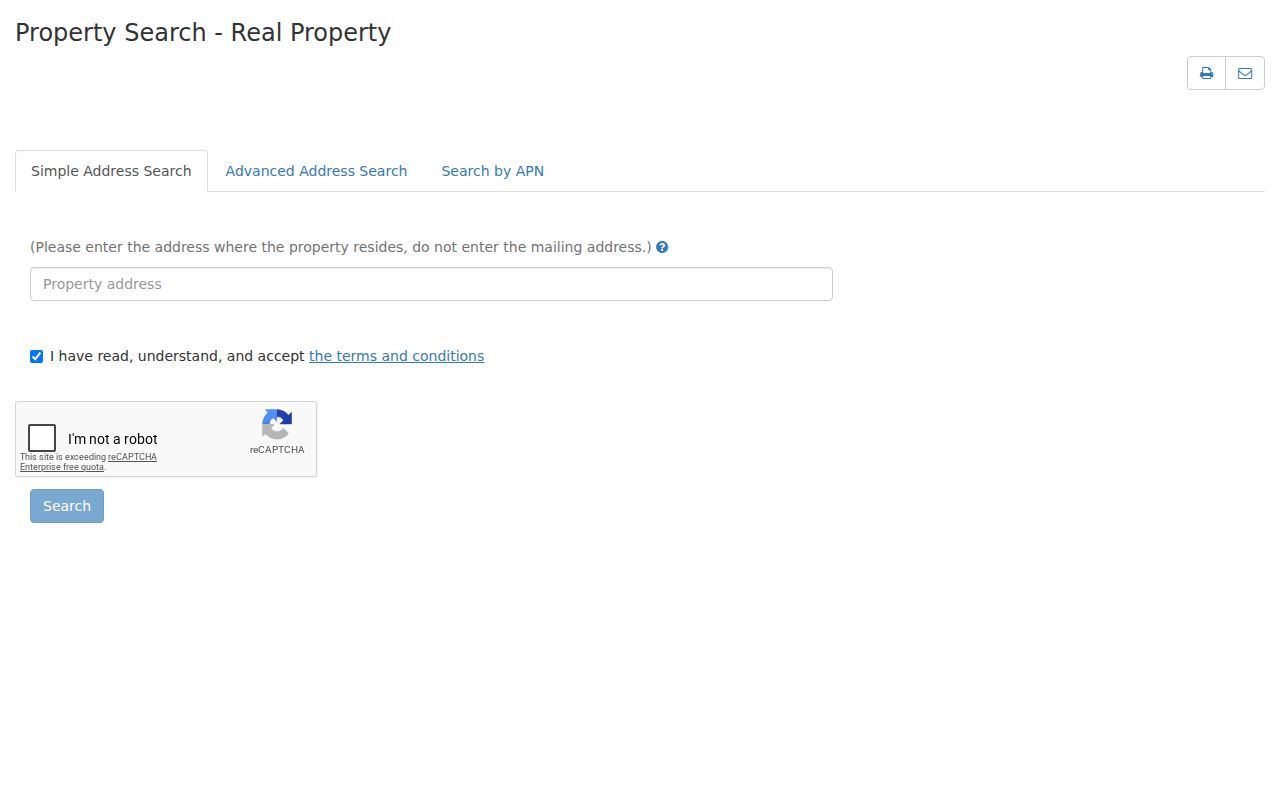
A parcel key is all the Assessor gives here. For a complete Gilroy residents directory, carry the APN and legal description to the Clerk-Recorder and trace a named title chain.
Gilroy Parcel Terms in Resident Records
Four terms keep property research honest. A roll is an assessment list built for taxes. An index points to a record without showing the image. A parcel is a mapped APN unit. A criss-cross directory, also called a reverse directory, organizes entries by address or phone number, so you move from a place to a listed householder.
Definition box. A situs address is the physical location used by the Assessor. A mailing address may be elsewhere. A plat ties streets, lots, blocks, and subdivisions together. A legal description is the durable land description used in deeds. These keys outlast a casual name search.
SCCMap adds shape and adjacency. GIS layers are not title proof. Parcel data updates about annually, streets quarterly, and a click shows relationships and an APN, never a household. The move from situs to APN to map to official instrument to dated directory or newspaper evidence continues in the Gilroy by-street walkthrough.
Current Gilroy Resident Record Sources
No single roster covers everyone. A current Gilroy resident directory is really a coverage chart, where each source names a different population and proves a different fact.
| Source | Who or what appears | Keeper | Access and limit |
|---|---|---|---|
| Assessor property search | Situs, APN, assessed value | Santa Clara Assessor | Free address/APN search; assessee name suppressed online |
| Official Records Index | Parties to deeds, liens, maps | Clerk-Recorder | In-person index; copies in person or by mail; records reach 1850 |
| My Voter Status | One voter's registration and election details | California Secretary of State | Self-authenticated; not a public name or street roll |
| Gilroy staff directory | City staff names and public work contacts | City of Gilroy | Free online browse; not private household data |
| Library local history | Historical names, addresses, notices, yearbooks | Gilroy Library and SCCLD | At-home or in-library access varies by collection |
Every source answers only part of the question. A deed proves title, yet it can leave a household member out entirely. A staff listing on a city page confirms a public role. It does not show where someone lives in Gilroy. A newspaper notice is not a certified vital record. Keep each record's role and date in mind, and run a focused resident lookup when a single person matters.
Gilroy Voter Lookup and Resident Rolls
California's voter tools get mistaken for a Gilroy resident roll often. No other records source causes this confusion as much. The official My Voter Status form asks for first name, last name, birthdate, and an identification route. It returns nothing before those entries are complete. From there it can show registration status, party preference, polling place, vote-by-mail status, and election details. It works in one direction only. Names cannot be pulled back by street.
| Voter form field | Type | Role |
|---|---|---|
| First Name | Text, required | Registered first name |
| Last Name | Text, required | Registered last name |
| Drivers License or ID | Conditional text | One identity route |
| Social Security Number, last 4 digits | Conditional text | Alternative identity route |
| Birthdate | Date or text, required | Identity match |
| Go | Button | Submits the self-check |
The Registrar's separate guide search is different. It accepts street components and a ZIP code, then returns election geography rather than residents. Full voter-file access is limited under Elections Code §§2188 and 2194 to qualifying purposes. Protected records stay withheld. Corrections go through a signed action form sent by email, mail, or fax. The California voter status form shows why authentication matters in a resident lookup.
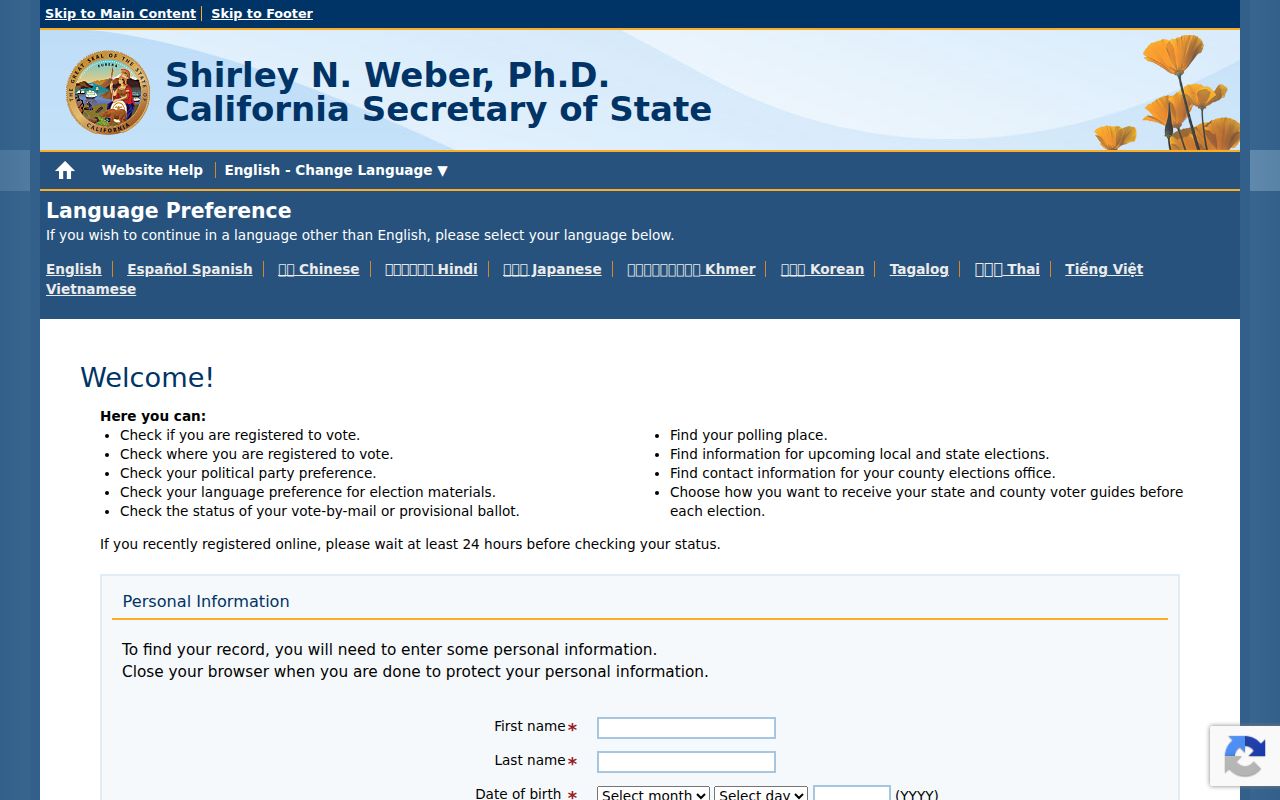
For a neighborhood question, precinct or district context is the honest answer. The voter rolls are not a public household list. A missing result never proves that someone does not live in Gilroy.
Gilroy Court and Vital Record Checks
Court and vital records can confirm an event or a named party. They do not confirm where that person lives now. Gilroy has no separate court of its own. Santa Clara Superior Court handles these matters, and its portal offers case-number, party, business, and filing-date search modes.
Party searches need a first and last name. Filing-date searches cap at five days and require a case type. The portal itself notes that its data is not the official record. Only civil information permitted by Rule 2.503 appears online at present.
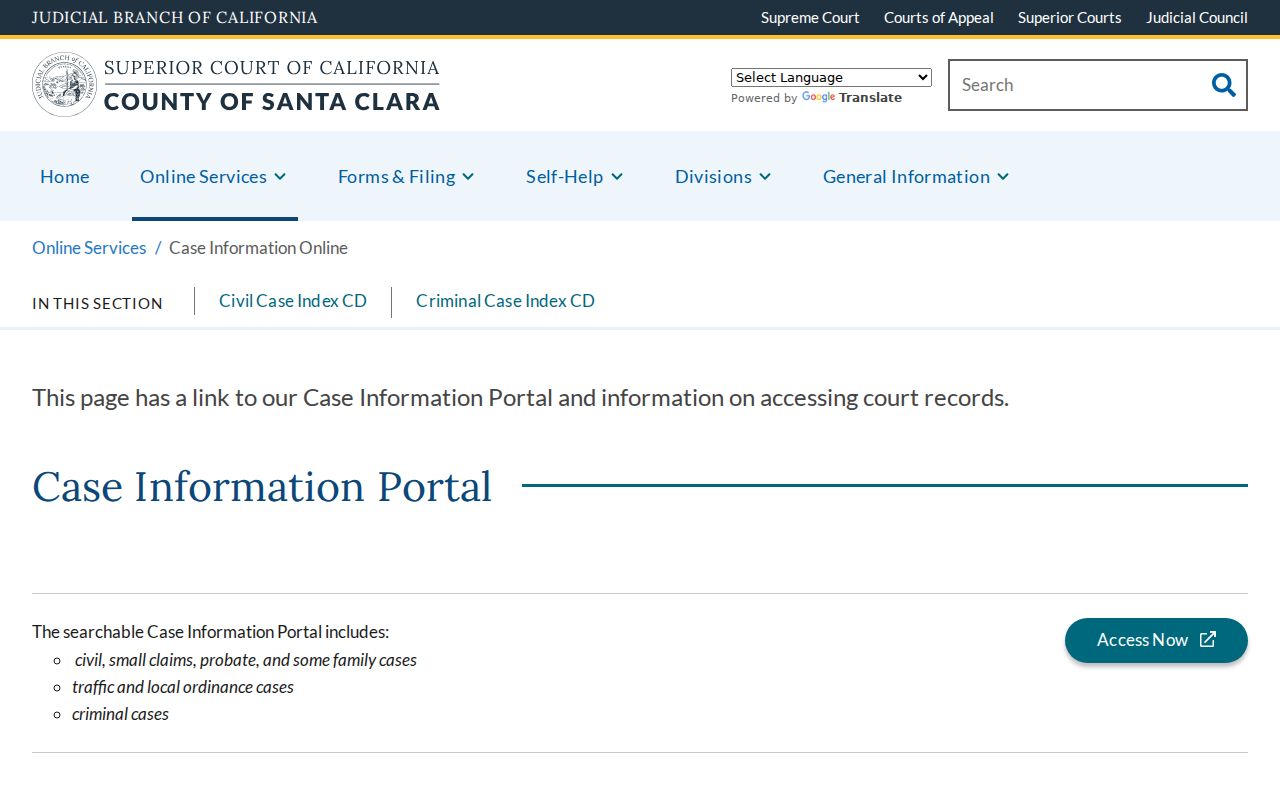
Use the index for narrow questions. For a filed paper, certified copy, older matter, or federal case, turn to the clerk, the courthouse counter, a public terminal, the paper file, or a PACER account. The court schedule lists $0.50 per page plus a $15 search fee when staff work runs past ten minutes. The Santa Clara Superior Court case-information page is the official search gateway. It serves a Gilroy party or case clue.
Vital records take a separate route from the courts. Santa Clara County holds births and deaths from 1873 and marriages from 1850. Pre-1920 index books are viewed through County Archives appointments. County orders travel by mail or through its online vendor, while CDPH-Vital Records serves as the statewide mail route. Authorized copies require eligibility and a notarized statement. Informational copies are broader, but they cannot establish identity. Divorce judgments stay with Superior Court.
Gilroy Business and License Clues
Business and license records can confirm a public affiliation. They can also confirm a trade name or a filing-date address. They are not a home directory. The free California Department of Consumer Affairs search covers participating boards. California bizfile Online accepts a business name or file number. It then narrows results by entity type, status, and initial-filing date. A result may show entity number, formation date, and status. It can also show addresses, agent, due date, and filed images. The California DCA License Search works as a public affiliation check for Gilroy-related names.
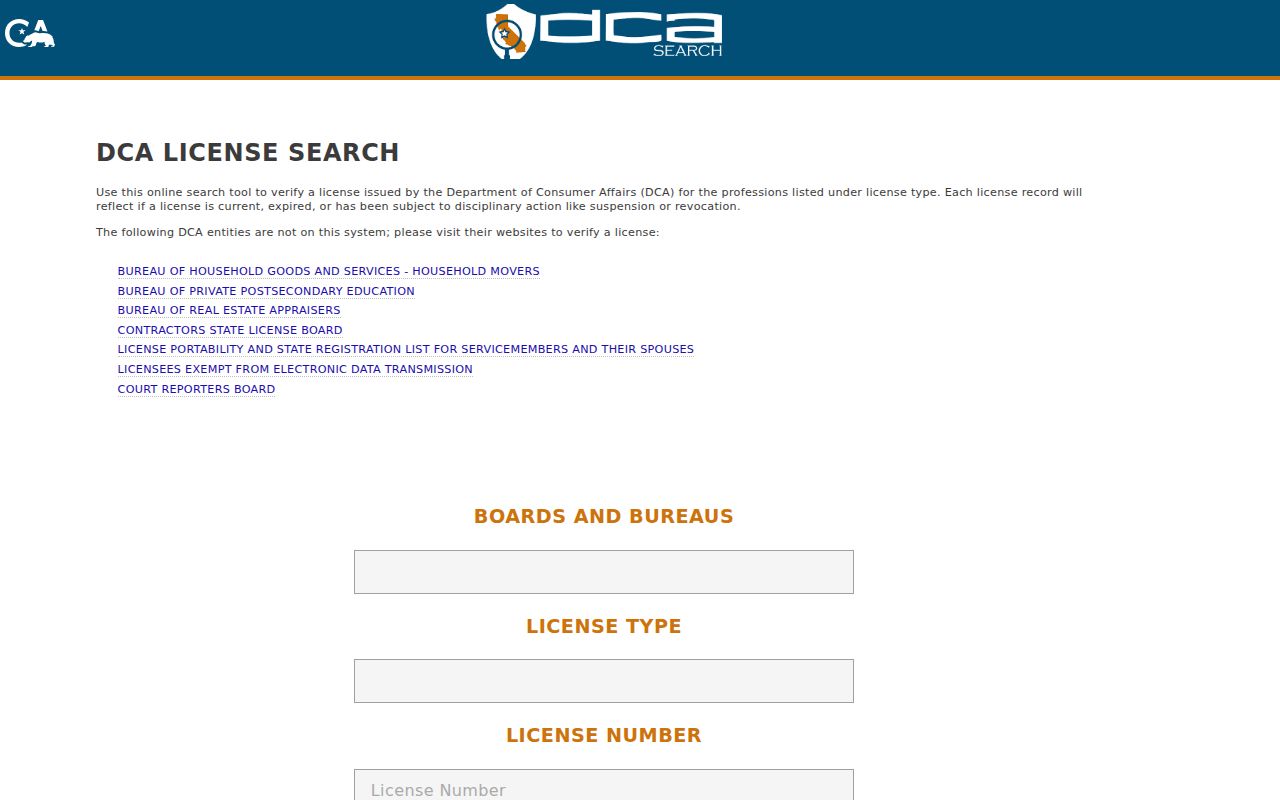
Read a license by role, status, and date. It connects a person to a regulated practice, not to a home in Gilroy. County fictitious business-name filings add a local route through county records. Gilroy business-license records add another route through city records. LLP records run through the Secretary of State's paper Business Entity Records Order Form. General-partnership records run there too. The California bizfile Online search supplies a different kind of public record.
New California entities began receiving 12-character B-prefixed identifiers in late 2025. Include the full number in any search. A registered agent is a service-of-process contact, not proof of ownership or residence.
Gilroy's Local History Shelf for Resident Records
Historical research in Gilroy works best when library, museum, newspaper, map, and archive channels stay separate. The Gilroy Library at 350 W. Sixth Street holds newspapers, fire-insurance maps, local books, and yearbooks. Gilroy Advocate runs 1868 to 1922 from home. Gilroy Evening Dispatch runs 1925 to 1943 in-library. Gilroy Dispatch runs 1944 to 1999 and 2001 to 2004, also in-library. Reference help waits at 408-842-8207.
Digital ReeL and genealogy resources open remote access to some runs. The Gilroy Museum sits in the 1910 Carnegie Library at 195 Fifth Street and holds more than 25,000 local items. Research appointments can be made at 408-846-0446. Material stays on site. County Archives adds an appointment-only reading room and does not issue certified copies.
Insider tip. Search each Spanish surname component separately, then confirm dates and document numbers before joining same-name records.
Gilroy Safety Portals for Record Checks
Custody and public-safety databases serve narrow purposes. The Santa Clara County Inmate Finder covers current county custody. The California Department of Corrections and Rehabilitation runs a separate locator. It covers state prisons. Neither is a general list of Gilroy residents. Verify any release, transfer, or court status with the responsible agency. The Santa Clara County Inmate Finder is the official county custody route.
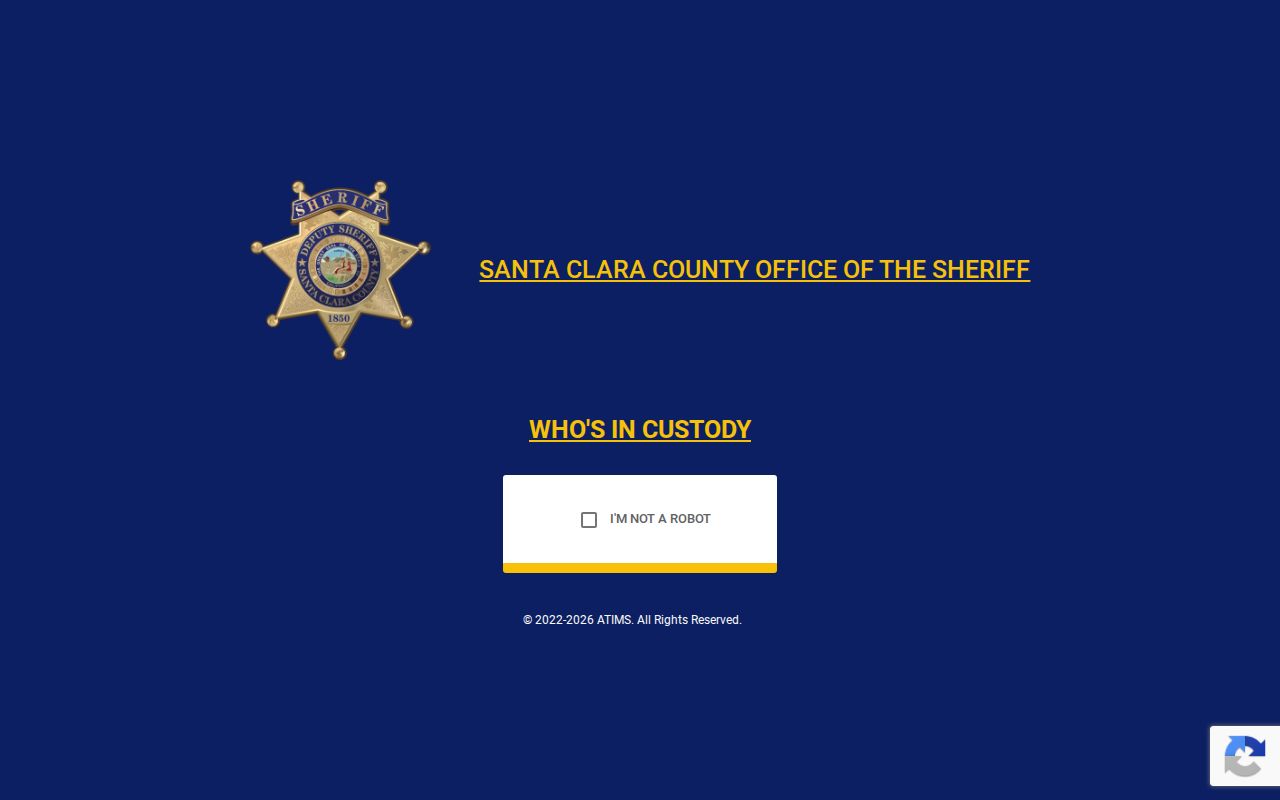
The result covers county custody only. It is not proof of guilt, final disposition, or a Gilroy home address. California's Megan's Law website is a public-protection registry under Penal Code §290.46. Past its disclaimer, a search may show names, aliases, photographs, offense details, risk assessment, and a last reported address or only a ZIP, city, or county. Some registrants cannot be displayed. DOJ says data updates daily but may be incomplete or mistaken. Misuse creates exposure.
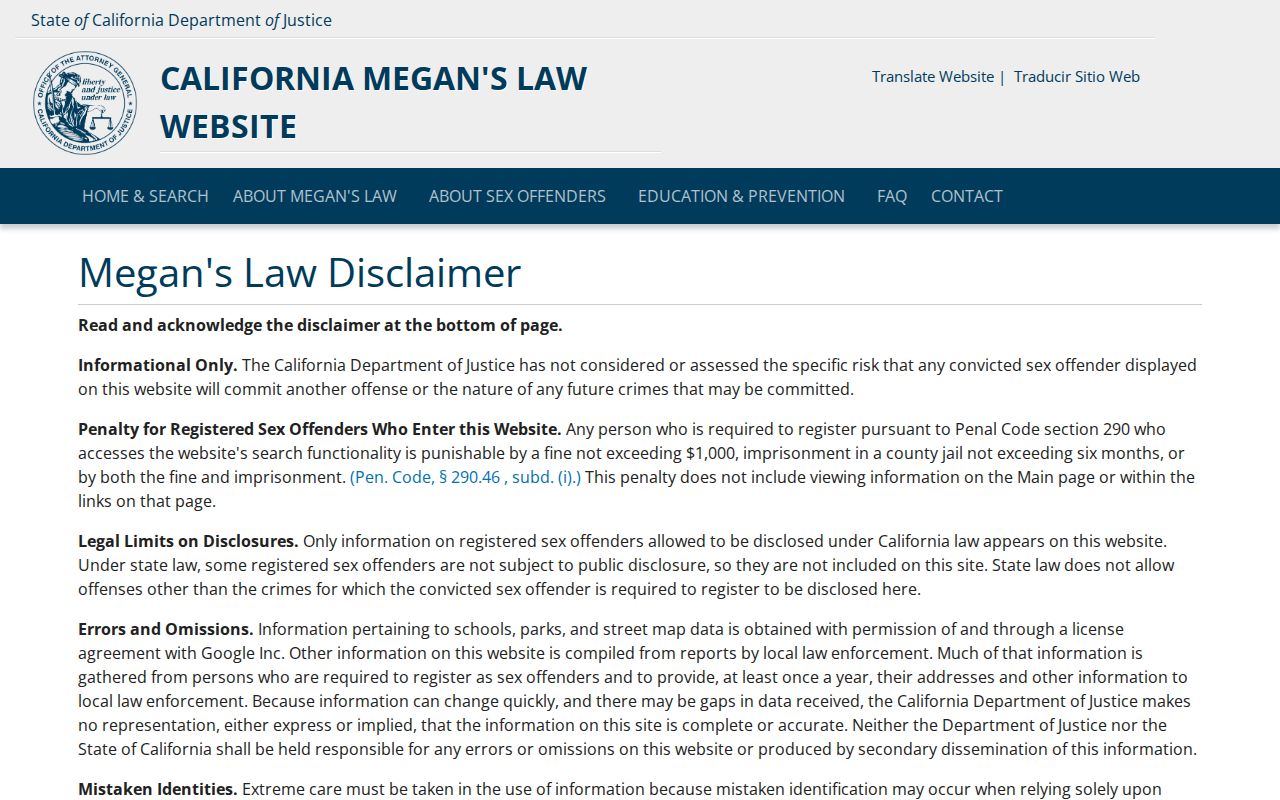
Its warning governs use: a safety resource, not a resident directory or identity shortcut.
Gilroy Privacy Rules for Resident Records
Privacy rules often explain why a Gilroy residents directory looks incomplete. Safe at Home shields eligible survivors and certain public-facing workers with a substitute mailing address and confidential mail forwarding. Government Code §§7928.100 to 7928.215 protect certain home addresses. That is not an error. DMV address data remains closed under the Driver's Privacy Protection Act and California Vehicle Code provisions.
The CCPA and CPRA let a verified consumer ask a covered business to know, correct, or delete personal information, subject to public-record limits. The deed stays with its custodian either way. California DROP accepts one request covering every registered data broker. Consumer submissions began in January 2026. Mandatory processing began August 1, 2026. Save your confirmation numbers. Deletion never changes a public record.
Lawful personal use. Use Gilroy records for family history, civic research, property history, personal safety, and other lawful purposes. Do not publish or use an address to stalk, harass, threaten, intimidate, or harm a person. Protected voters and Safe at Home participants must never be reverse-engineered from surrounding records.
Comparing Gilroy Directory Evidence
Official records and commercial sites answer different questions. For Gilroy, the comparison weighs source quality and ease of access, never a shortcut around custodian rules.
| Evidence type | Strength | Weak point | Best next move |
|---|---|---|---|
| County or state record | Named custodian, date, and defined record role | May be offline, redacted, or limited by eligibility | Use the counter, mail form, archive appointment, or focused request |
| City record | Local permit, staff, meeting, police, or request context | Department scope and exemptions vary | Use the City Clerk or Public Records Center with an exact record description |
| Library or archive source | Historical names, notices, maps, and household context | Collection dates and access tiers differ | Search at home, then ask staff or book an appointment |
| Commercial compiled product | May gather many mixed-source clues in one result | Stale addresses, same-name errors, fees, and unclear provenance | Do not treat it as authoritative; verify with the custodian |
A strong match names a source role, a date, and a second fact. A weak one offers only a name, an unverified address, or a copied profile. Keep uncertainty visible in any Gilroy lookup.
Gilroy Records Changes in 2026
Changes in 2026 matter for any Gilroy residents directory search. DROP created one broker opt-out path, with mandatory processing starting August 1, 2026. New California entities receive B-prefixed 12-character identifiers. The County Archives catalog reports a July 26, 2026 refresh, which improves discovery. Records remain appointment-based, though. SCCLD lists Open Plus access at the Gilroy Library Sunday through Wednesday, 10 a.m. to 1 p.m. That comes after registration and a demonstration. Staff help is unavailable then. The right channel might be a web catalog, a library scan, or a custodian counter.
Historical Gilroy Directory Collections
Gilroy's resident trail runs far past web search. The city incorporated in 1870. County series reach statehood. Recorded real estate reaches 1850. Earlier clues may hide under Rancho San Ysidro, township, rural-route, or postal language. Most 1890 population schedules were destroyed, so newspapers, assessment records, directories, and maps help bridge the gaps.
The library's newspaper runs add a strong time layer: Gilroy Advocate 1868 to 1922, Gilroy Evening Dispatch 1925 to 1943, and Gilroy Dispatch 1944 to 1999 and 2001 to 2004. Pair them with a name, a former address, an obituary, a school clue, or a business. The historical city-directory collections add a householder entry for one year, not a current occupant.
Research terms. A record date tells when an event or filing occurred. A coverage date tells when a collection exists. A custodian tells who can verify it. Keep those three facts separate. That habit is the safest way to read Gilroy resident records across time.